Arnold, T.,
Hamilton, M., & Weiss, M. (2017). Noodleheads
see the future. New York: Holliday House. Two noodle brothers Mac and Mac that take everything literally. They try
help their uncle but can’t understand the meaning of “give him a hand” or that
a job is not a “piece of cake.” They
want to help their mother so they go to a forest to get firewood. They decided
to cut off the firewood while sitting on the tree branch they are cutting! When
their friend Meatball tells them they are going to fall and they do, they
believe that Meatball can tell the future. This is a hilarious book to read with
great illustrations.

Fenske, J. (2015).
A Pig, a Fox and a box. New York:
Penguin Young Readers. This book has three parts that build
on each other, two friends a Pig and Fox. Fox likes to play tricks on Pig.
However eventually Fox’s tricks start to go wrong because Pig is not liking
them and does not fall for it. This is a comic style book that has comedy and
helps with learning to rhyme with small words. This is a great book for young
children.
Henkes, K. (2015).
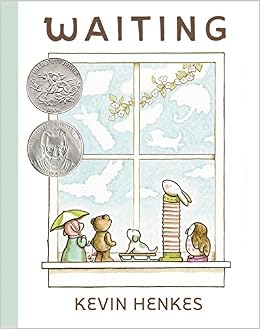
Waiting. New York: Greenwillow Books. There
are five toys sitting on the windowsill waiting for things to happen. There is
an owl who waits for the moon, a bear who waits for wind to fly his kite, a
puppy waiting for snow, a pig who waits for rain and rabbit who does not wait
for anything in particular. At the end of the story they are joined by a cat
and magically become ten.
Keller,
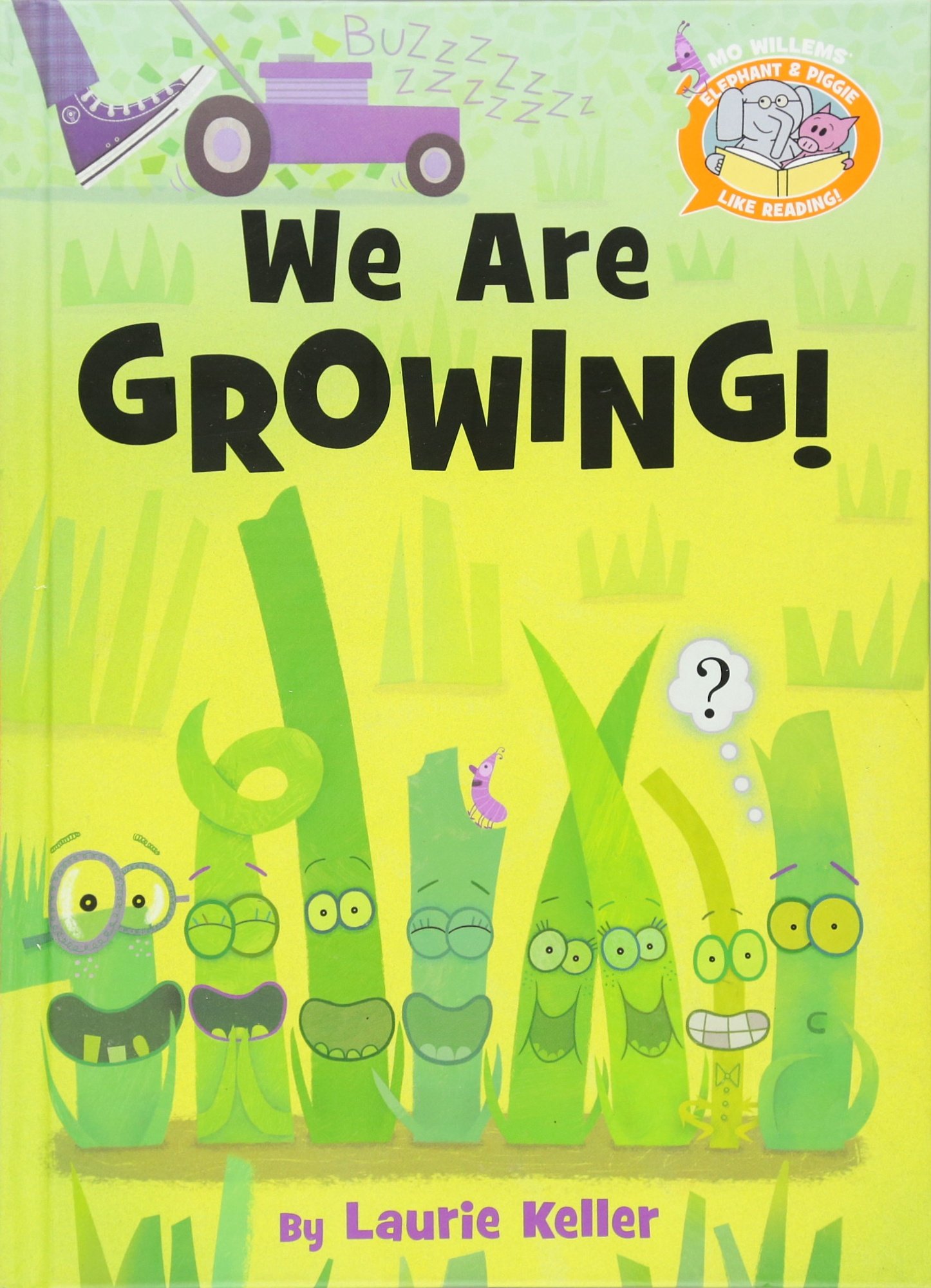
Laurie. (2016). We are growing. New
York: Hyperion Books for Children. Eight blades of grass that
start growing. They each start growing in their own way except for Walt. He
starts comparing himself to the others for he is not the tallest or the
curliest. This is a great book for children looking for the individuality and
helps them understand that it is okay to not be like everybody else.
Long,
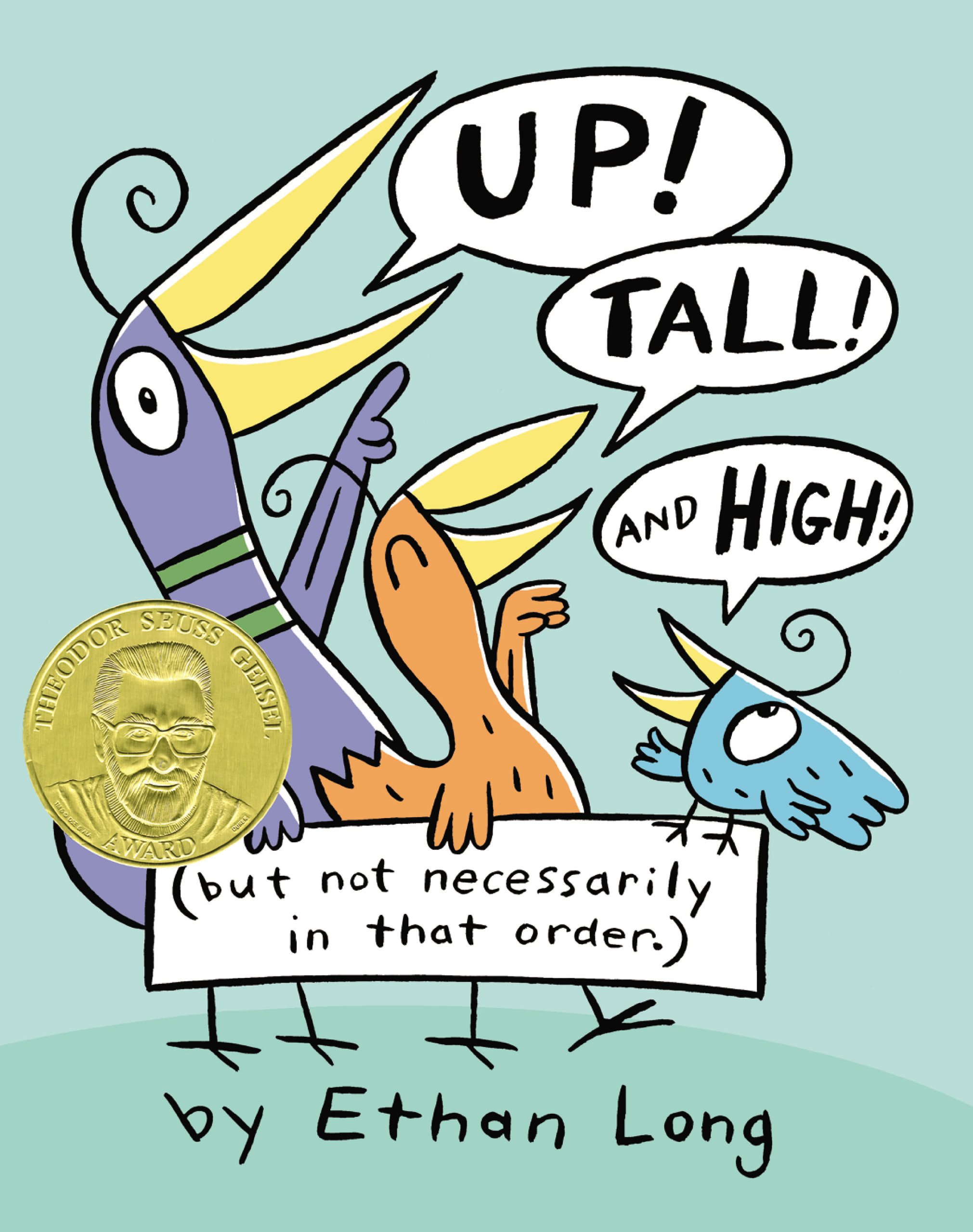
E. (2012). Up! Tall! and High!. New
York: G.P. Putnam’s Sons. A group
of birds compete on who is tall, who is high and who is up in a tree. They
compare themselves to each other all insisting that they are the tall one. The
highest bird is a bird that can fly and a penguin who can’t. This book teaches
directions in a fun colorful way.
Meisel,
P. (2017). I see a cat. New York:
Holiday House Books. A dog sits next to a glass door and sees a cat, bird, a fly, and mice
with little reaction. After he sees a squirrel he starts barking with
excitement. When his human comes home the dog is excited to go outside and he
immediately chases a squirrel right up a tree ignoring the cat. The cat has
nothing to worry about!
Pizzoli,
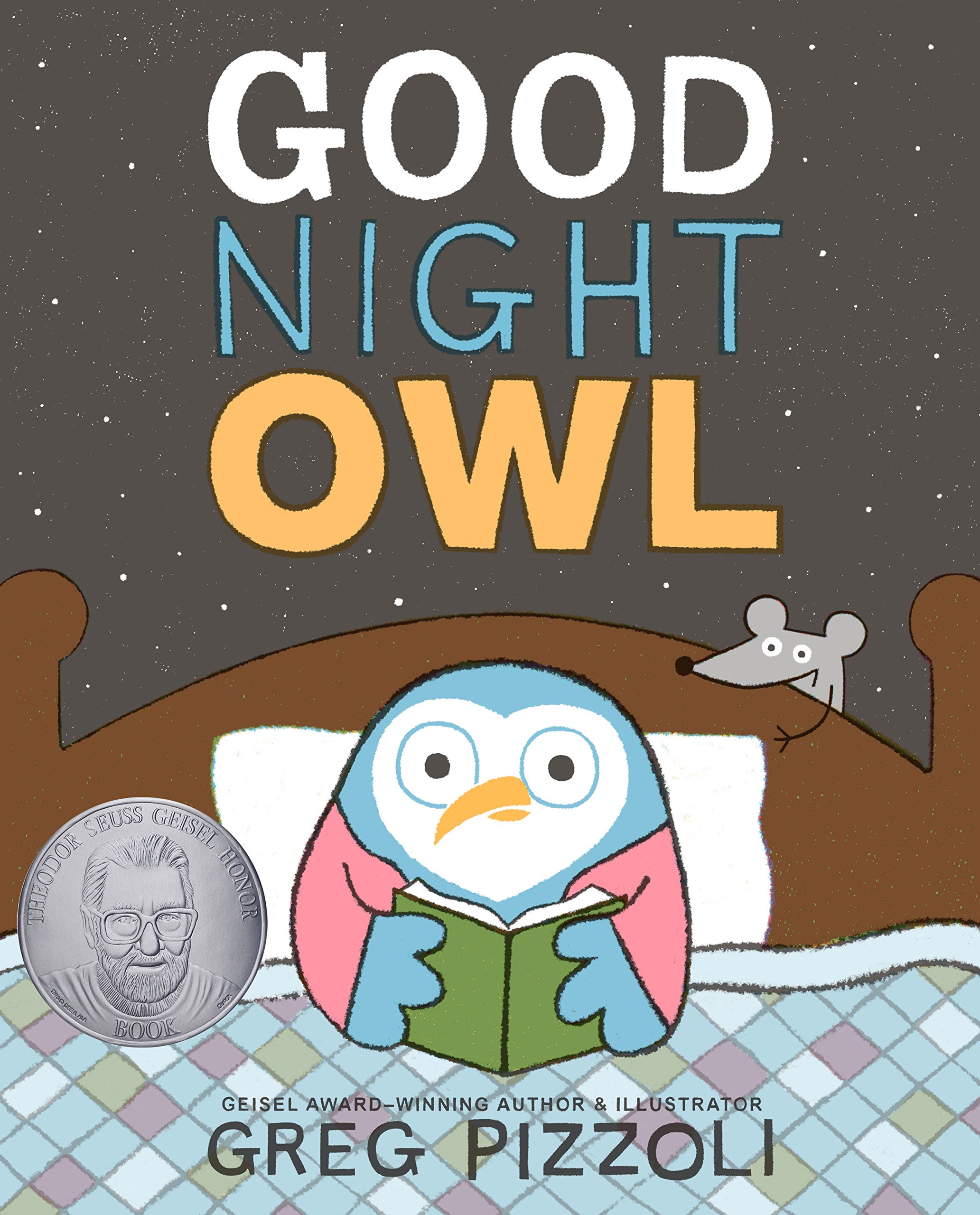
G. (2016). Good night Owl. New York:
Hyperion. An
Owl that is trying to go to sleep is continues to be disturbed by a squeaking
noise. He opens the door, empties the cupboard, pulls up the wooden floor, and
took down his roof and finally he tears down the walls to his house!! Even
after all of that he still hears the squeaking and sees that it is a mouse.
Schneider,
J. (2011). Tales for very picky eaters. New
York: Clarion Books. A father
tells his son, James, stories about what happens when he does not eat the food
placed in front of him. James can eat dirt instead of broccoli, a troll can be
fired from his cooking job or he can chew gum that others have chewed! The last
food that James needs to eat is eggs he starts to come up with his own story
however his father just simply asked him to try it because he might like it.
Seeger,
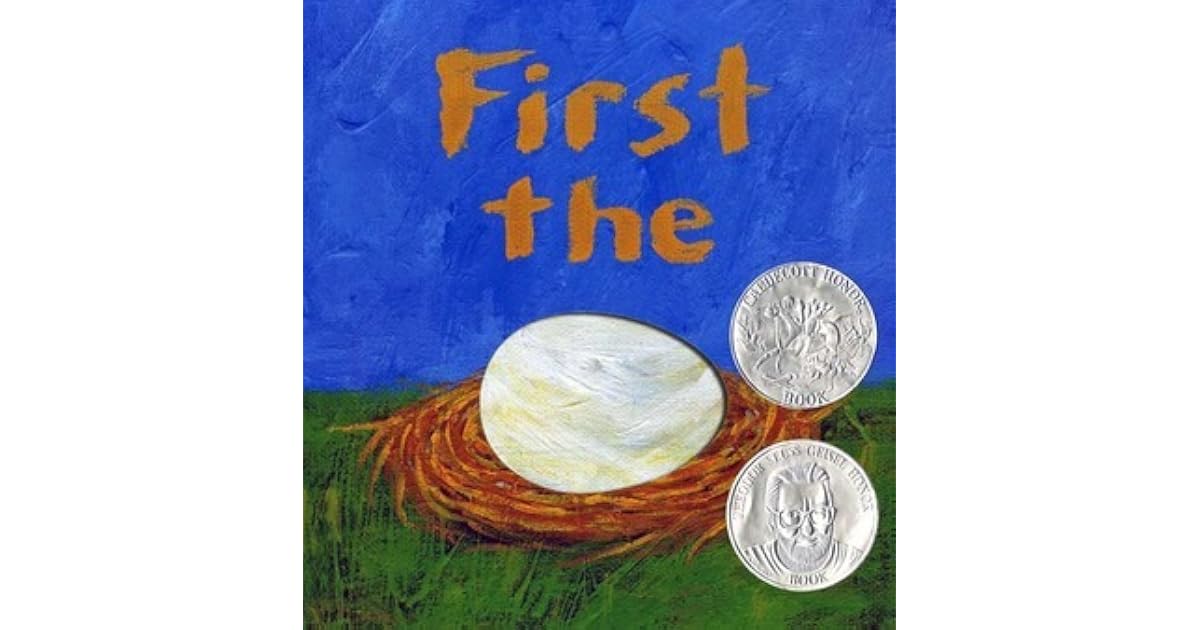
L. V. (2007). First the egg. New
York: Roaring Book Press. It
starts with an egg turning into a chicken, there is a tadpole, see,
caterpillar, word, and paint and it ends with a chicken and an egg. The simple die-cuts give a small surprise
when turning the page. This is a very straightforward book showing change and
transformation that is great for young children.
Sullivan,
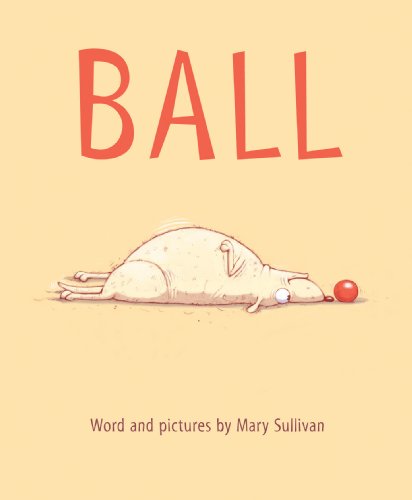
M. (2013). Ball. New York: Houghton
Mifflin Harcourt Books for Children. When a dog wakes up in the morning
all he wants to do is play ball. When his human leaves for school he tries to
find someone to play with him, he goes to the cat, her mother, and the baby. When no one plays with him he decides to make
up his own game and put the ball in various place as well as having vivid
dreams about his favorite toy. The entire book uses one word- BALL!